
CTE & Youth Sports Leagues in California: When Schools Face Liability
 According to the CDC, 7 out of 10 emergency department visits for sports- and recreation-related traumatic brain injuries are among children 17 and under. Youth sports include cheerleading, football, basketball, soccer, and softball. Some risk is inevitable with youth sports, but in some instances, the injuries are due to negligence.
Long-term exposure to repeated head impacts is associated with CTE. Many parents wonder how to handle youth sports injuries when there is obvious negligence. In this blog, we’ll outline when schools may be liable for these injuries.
What is CTE?
CTE stands for chronic traumatic encephalopathy. CTE is a brain disease that is associated with repeated head impacts. It gets worse over time as it causes the brain’s nerve cells to die. The prevalence of CTE is not fully known. Currently, it can only be definitively diagnosed after a person’s death.
Due to this knowledge, and what the medical field knows about traumatic brain injuries, the youth sports industry must pay attention. There is no cure for it, and it isn’t fully understood yet. Youth sports leagues must be proactive when dealing with head injuries so children aren’t left with lasting damage.
Who may be liable?
Liability depends on several factors and the circumstances of the case. We can’t know who is liable without knowing the details, but the following are common potentially responsible parties:
- Schools
- Coaches
- Athletic leagues
- Equipment manufacturers
- Medical professionals who clear players prematurely
Each case has specific facts that must be evaluated to determine liability. Anyone with questions is encouraged to speak to an attorney.
When may parties be liable?
A school, coach, or athletic league may be liable if they increase the risks inherent in the sport.
Failure to follow concussion protocols
There are guidelines by medical professionals on how to handle a concussion. When a coach or athletic administrator ignores these protocols, it may be seen as negligence.
Violating return-to-play guidelines
In California, there are guidelines about returning to play after a head injury. A violation of these guidelines may be considered negligent and leave the school open to liability.
Depending on whether the program is school-sponsored or operated by another youth sports organization, California requirements include:
- Athletes suspected of having a concussion must be removed from play immediately and cannot return on the same day.
- Athletes removed for a suspected concussion or head injury must be evaluated by a licensed health care provider and receive written clearance before returning.
- Athletes who have sustained a concussion must follow a graduated return-to-play protocol of at least seven days under the supervision of a licensed health care provider.
- For youth sports organizations, parents must be notified when an athlete age 17 or younger is removed from play due to a suspected concussion, including the date and time of the injury, symptoms observed and treatment provided.
A violation of any of the above may lead to more severe injuries.
Inadequate risk warnings
In California, there are annual requirements around educating parents and students on concussions. When trained individuals fail to warn students or parents of the risks associated with head injuries, it may support a negligence claim.
Negligent coaching
Coaches have a duty not to increase the risks inherent in the sport. When a coach engages in especially reckless behavior, such as knowingly forcing a seriously injured player back onto the field, it could support a liability claim. Other conduct that may support a claim includes unsafe drills or inadequate supervision that increases the sport’s inherent risks.
Improper safety measures
Improper safety measures may be considered negligent. This could include poorly maintained equipment or dangerous field conditions. It could also look like an environment without properly trained professionals present.
CTE and youth sports league FAQs
People often have similar questions about CTE and youth sports. We’ve answered some of those questions below:
What are California safety standards for youth sports leagues?
California has several laws and safety standards in place for youth sports leagues. We listed several in the return-to-play guidelines above. Some of the others include:
- Annual concussion and head injury information sheets must be provided and signed by athletes and parents or guardians as required
- Annual concussion education offered by youth sports organizations, with coaches and administrators required to complete it before supervising athletes
- Written clearance by a licensed health care provider for athletes returning after a concussion
Youth sports organizations have certain safety duties to participating athletes. When coaches or administrators violate this duty and cause an injury, they may face liability.
Can families pursue damages for long-term neurological damage?
It’s possible, depending on the case specifics. We recommend that anyone facing long-term neurological damage from youth sports speak to a brain injury lawyer. A knowledgeable attorney can learn the specifics of the situation and help people understand their legal options.
How do you prove causation in repetitive head injury cases?
It may be difficult to prove causation because brain injuries are so complex. When filing a brain injury claim, victims must typically prove that the defendant’s conduct was a substantial factor in causing the injury or cognitive or physical decline. This claim is often supported with medical records or imaging. A brain injury attorney helps clients to gather the evidence needed to support a claim.
What is an assumption of risk defense?
Sometimes, the defense will argue that there is an assumption of risk when playing sports. And this is true to an extent. It does not, however, necessarily protect coaches or athletic leagues when they increase the sport’s inherent risks or engage in intentional or highly reckless conduct.
How can a brain injury lawyer help me?
A brain injury lawyer helps clients in several ways, including:
- Investigating their claim
- Gathering evidence and statements to support the claim
- Representing their clients in court
- Advocating for their clients’ rights
- Offering compassionate, dedicated legal support
Experienced brain injury lawyers provide legal support and peace of mind for their clients. Anyone dealing with brain injuries from youth sports is encouraged to speak to an attorney to understand the legal options available to them.
Contact McNicholas & McNicholas, LLP, for a free consultation today
No parent wants to consider the long-term risks of their child playing a youth sport. However, serious injuries can still occur. Anyone dealing with brain injuries due to the negligence of a coach, athletic league, or other responsible party is encouraged to speak to an attorney.
At McNicholas & McNicholas, LLP, we offer free consultations. This allows us to hear the details of your situation and educate you on the legal options available. Contact us today to request your free consultation.
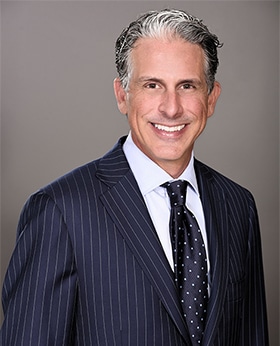
As one of the leading trial lawyers in California, Partner Matthew McNicholas represents victims in a range of areas, including personal injury, wrongful death, employment law, product liability, sexual assault and other consumer-oriented matters. Learn more about his professional background here.