
Who Is Liable When AI-Powered Medical Devices Fail?
 The recent boom in AI-powered devices has advanced into the medical field. More and more companies are relying on these tools, but with the use of technology comes a host of issues that may cause devices to fail.
When an AI-powered medical device fails, who is to blame? This blog outlines who may be liable in these situations and what causes medical devices to fail.
Did you suffer an AI-powered medical device failure and are ready to speak to an attorney? The team at McNicholas & McNicholas, LLP, offers free consultations. Contact us today to discover your legal options.
Who may be liable?
One or more parties may be liable in an AI-powered medical device failure. These parties may include manufacturers, software developers, hospitals and physicians.
Manufacturers
A manufacturer may be responsible if an AI-powered medical device contained a design defect, was manufactured incorrectly, or the manufacturer failed to adequately warn of potential risks.
Software developers
If an AI system is built using biased, incomplete, or flawed data or algorithms, it may produce inaccurate results or fail altogether. Software developers may be held responsible if their negligence contributed to a patient’s injury.
Hospitals
Sometimes, hospitals or other health organizations may be held liable for the purchase and implementation of AI-powered devices. This could happen due to a failure to research or vet the company, failure to properly train staff, or if they otherwise negligently deployed devices.
Physicians
Physicians may be liable if they failed to meet the applicable standard of care. They may be found negligent for improper installation of a medical device or relying on inaccurate AI instead of their own decision-making capabilities.
Multiple parties
Multiple parties may be liable for AI-powered medical device failures. An experienced attorney helps clients to investigate failures and determine the liable parties.
What causes medical devices to fail?
Medical devices can fail for a variety of reasons, including:
Medical malpractice
Medical malpractice may occur when a physician or medical team negligently uses, implants, or maintains an AI-powered medical device. Examples include:
- Incorrectly installing, implanting, or positioning devices
- Misusing or improperly handling devices
- Neglecting to sterilize, check, or maintain devices
- Completing inadequate training
- Implanting the wrong device
Product defects and testing failures
Product defects or inadequate testing may cause a medical device to fail. The following issues may cause failures:
- Substandard materials were used to build the device
- Poor molding practices
- Contamination in the production process
- Malfunctioning components
- Inadequate engineering
- Insufficient testing
Corporate negligence
Corporate negligence could lead to device failures. Types of negligence could include:
- Improper maintenance activities, such as skipping maintenance activities or inspections
- Not having the proper storage environment, such as the incorrect temperature
- Dusty or unclean storage of the devices before use
- Bypassing regulatory compliance standards to complete procedures
User error
A user may incorrectly use an AI-powered medical device, depending on the type of device it is. This could be due to negligence, improper training, or incorrect device settings. If a user is found to be partially at fault, comparative negligence may come into play in the claim.
Software issues
AI-powered medical devices rely on safe, up-to-date software to function properly. When programming errors or bugs are present, they may cause the device to fail. Sometimes, vulnerabilities in the software may cause cybersecurity issues that could decrease the safety of the device.
Are you curious about your medical device defect claim and want to learn more? Contact McNicholas & McNicholas, LLP, today to request a free consultation.
Medical device failure FAQs
What is a failure-to-warn claim?
A failure-to-warn claim arises when it is believed a manufacturer, distributor, or seller fails to adequately warn or instruct of potential risks or side effects associated with a product that then causes injury.
What should I do if an AI-powered medical device injured me?
Get medical care as soon as possible. Also, keep copies of your medical records, bills and any information about the device. Don’t throw away the device, packaging or instructions. This can all be helpful to your claim.
What is comparative fault?
The state of California follows a pure comparative fault law, which can allow injured parties to seek damages even if they are partially at fault for the injuries.
Can I get compensation for a failed AI-powered medical device?
It depends. In general, if a defect, negligence or other wrongful conduct caused the injury, that may support a claim. However, federal law may limit certain claims involving devices that received FDA premarket approval.
How much is my claim worth?
It’s impossible to accurately value a claim without knowing the details. Generally, in other product liability claims, the following forms of compensation may be available:
- Past and future medical expenses
- Past and future lost wages
- Loss of earning capacity
- Emotional distress
How can a product liability lawyer help me?
Product liability lawyers help their clients in several ways. They provide peace of mind during a difficult time. But they also:
- Investigate claims to determine liability and gather evidence
- Strengthen claims throughout the process
- Offer compassionate legal support and guidance
- Advocate for their clients’ rights
- Represent their clients in court
If you’re wondering how a product liability attorney can help you, give McNicholas & McNicholas, LLP, a call to request a free evaluation.
Contact McNicholas & McNicholas, LLP today
When a medical device fails, patients may be left with serious injuries and few clear answers about what went wrong. Determining whether the problem involved the device, its software or the way it was used can take a careful investigation. McNicholas & McNicholas, LLP, offers free consultations to help injured patients understand their options and decide what steps to take next.
People who suffered injuries from an AI-powered medical device failure don’t have to handle the legal process alone. Reach out to McNicholas & McNicholas, LLP, for a free consultation.
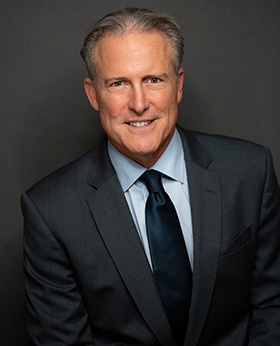
With more than 25 years’ experience as a trial lawyer, Partner Patrick McNicholas exclusively represents victims in personal injury, product liability, sexual assault and other consumer-oriented matters, such as civil rights, aviation disasters and class actions. Learn more about his professional background here.