
Inverse Condemnation in California Wildfire Lawsuits
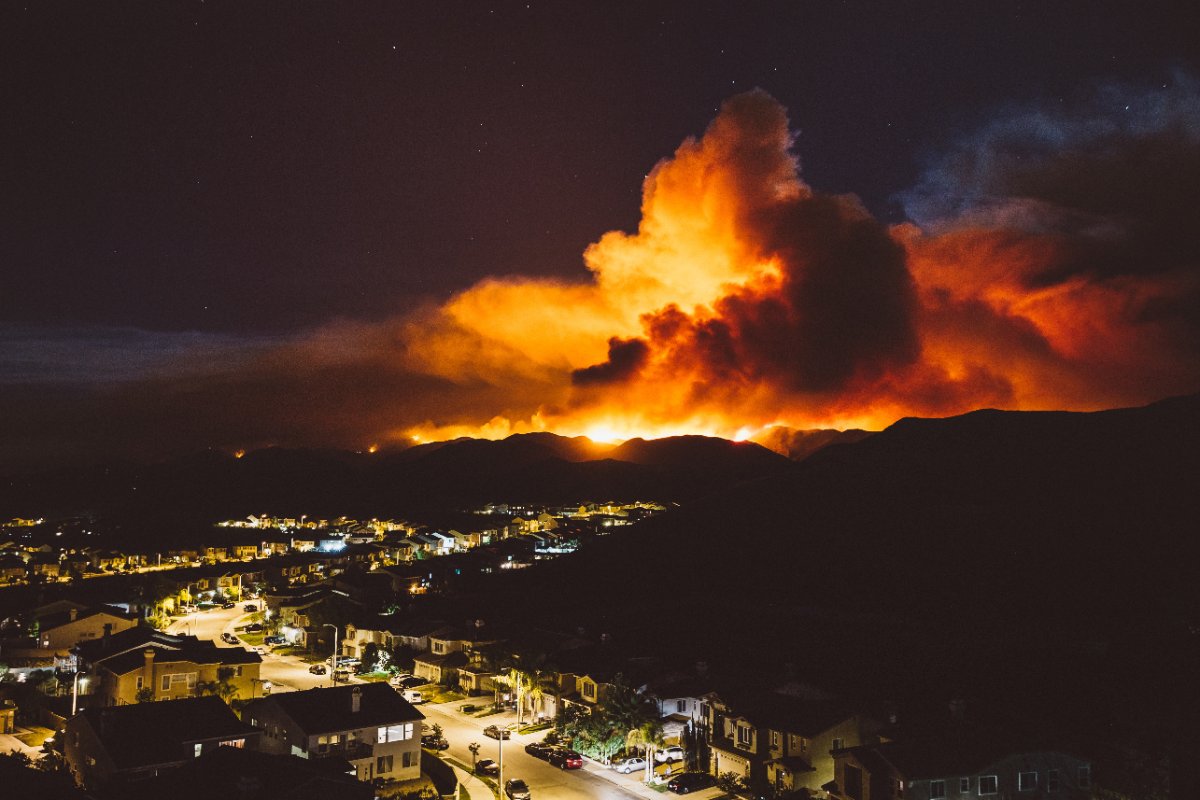 When wildfires damage homes, businesses, or land in California, the cause is often linked to utility company equipment. Many people think they must prove the company was careless or broke safety rules to get compensation, but that’s not always the case.
With a legal rule called inverse condemnation, property owners can hold utility providers financially responsible for property damage caused by wildfires without having to show that the utility company was careless. This means that a utility company can still be held liable for the damage to your property caused by a wildfire that started with its equipment, even if it followed all safety rules, kept its equipment in good shape, and took all necessary precautions.
In this blog, we discuss how this rule works, why it can give you a stronger claim than negligence, and what types of losses it can cover.
What does inverse condemnation mean?
Inverse condemnation is a rule based on Article I § 19 of the California Constitution. This section says private property can’t be “taken or damaged for public use” without fair payment.
In regular condemnation instances, the government takes private property for public projects, like building a road or constructing a school, and pays the property owner. Inverse condemnation occurs when the government or public utility damages or destroys private property without following proper procedure. The property owner can then ask for compensation after the damage occurs.
For wildfires, this means that if a utility company’s equipment, such as power lines or transformers, starts a fire that damages private property, the owner may seek compensation without having to prove the utility was careless or violated safety rules.
Why the doctrine applies to utility companies
Inverse condemnation typically applies to government entities or government-sponsored actions. However, California courts also apply the doctrine to private utility companies like PG&E, Southern California Edison, and San Diego Gas and Electric, which possess the power to take land for public use and provide essential services.
Together, these three utilities handle approximately 75% of the state’s electricity transmission and distribution services. Because investor-owned utilities perform a public function and have eminent domain authority, courts treat them similarly to public agencies for purposes of inverse condemnation.
Strict liability
Inverse condemnation functions similarly to strict liability in wildfire cases. Utilities can be held financially responsible for wildfire damage caused by their equipment, even if they did not act negligently. The idea is that the costs of damage caused by public services should be shared by the utility and its customers, not just by the people who lost property.
This is a big benefit for wildfire victims. Often, fires destroy evidence (e.g., the condition of power lines, nearby plants, etc.) that would be needed to prove negligence. Inverse condemnation removes this problem by not requiring proof of fault.
How inverse condemnation differs from a negligence claim
It’s important for wildfire victims to understand the difference between inverse condemnation and regular negligence claims.
Negligence claims
With negligence claims, the person filing the lawsuit must show the utility didn’t take proper care, such as failing to maintain equipment or ignoring safety rules. This can be hard to prove if the fire destroys important evidence.
Inverse condemnation claims
For inverse condemnation, a claimant generally must show that a public utility’s equipment substantially caused the wildfire that damaged their property. They don’t have to prove the utility breached any duty of care.
Recent legislative updates
In response to escalating wildfire costs, the California legislature enacted SB 901 in 2018 and AB 1054 in 2019. AB 1054 established a Wildfire Fund to help utilities cover future wildfire liabilities while protecting ratepayers from excessive cost increases.
Under the new framework, utilities that obtain a safety certification can access the fund to pay wildfire claims. These legislative changes reflect the state’s intention to balance utility solvency with the constitutional protections owed to property owners.
Who can file an inverse condemnation claim?
Property owners whose real property interests were damaged may pursue inverse condemnation claims, while tenants may pursue other legal claims depending on the circumstances. This covers:
- Homeowners
- Business owners who lose income or inventory
- Farmers whose crops or animals were affected
- Owners of empty land
The claim isn’t just for properties directly burned. If a utility-caused fire forced you to evacuate and you suffered physical property losses, you may also qualify. A wildfire attorney can review your situation and see if this rule applies to you.
Types of losses covered
Inverse condemnation claims for California wildfires can cover many types of losses.
Property damage
This includes the cost to repair or replace a damaged or destroyed home, structure, or vehicle.
Loss of personal property
You can recover the replacement value for furniture, clothing, electronics, and other belongings lost in the fire.
Loss of vegetation and landscaping
Compensation can cover trees, crops, and other plant life destroyed by the fire.
Relocation and temporary living expenses
This includes hotel costs, rental housing, and other expenses related to being displaced from your home.
Loss of use
You may be compensated for not being able to use or enjoy your property while it’s being repaired, including lost rent for landlords and lower land value.
Emotional distress
You may recover for the mental and emotional effects of losing your home, being forced to leave your community, or going through the trauma of a major fire. This can include anxiety, depression, and loss of enjoyment of life. However, emotional distress damages are pursued through related claims such as negligence or nuisance rather than through inverse condemnation alone.
Attorney’s fees
If you win an inverse condemnation claim, you can also recover your attorney’s fees from the utility. This is a rare benefit not found in most other civil lawsuits.
Practical steps for wildfire victims
If your property was damaged or destroyed in a California wildfire caused by utility equipment, there are important steps you should take to protect your rights:
- As soon as it’s safe, take photos and videos of the damage.
- Save all receipts for repairs, replacements, temporary housing, and other expenses.
- Keep any messages from your insurance company, and don’t agree to a settlement before finding out if you have an inverse condemnation claim.
Contact McNicholas & McNicholas, LLP today
Utility companies and their lawyers will work hard to fight these claims, so it’s important to have a wildfire attorney on your side. McNicholas & McNicholas, LLP is here to help. Contact us to learn how inverse condemnation could apply to your case and what compensation you might receive.

With more than 25 years’ experience as a trial lawyer, Partner Patrick McNicholas exclusively represents victims in personal injury, product liability, sexual assault and other consumer-oriented matters, such as civil rights, aviation disasters and class actions. Learn more about his professional background here.