
Proving Future Medical Costs in California Brain and Spinal Cord Injury Cases
 Brain and spinal cord injuries are among the most serious, life-altering traumas a person can suffer. In California, victims of catastrophic injuries may be entitled to compensation for both immediate medical expenses and the probable significant future medical costs.
This article explores how catastrophic injury lawyers collaborate with medical, vocational, and financial experts to construct robust cases for long-term care. Additionally, we highlight how insurers and juries typically respond to these well-thought-out, but complicated projections.
Why future medical costs are critical
After a victim’s initial medical treatment, they could face a future of ongoing therapy, rehabilitation, or even lifelong care. Fortunately, California case law recognizes future medical costs for plaintiffs injured because of someone’s negligence.
Future costs for victims of brain injuries or spinal cord injuries can include:
- In-home nursing care
- Additional surgeries or procedures
- Continuous rehab and therapy
- Medications and medical supplies
- Mobility aids
- Modifications to the home and vehicle
Due to the severity of these injuries, these expenses may span decades or may even last a lifetime. Without adequate compensation, injured people may not be able to live safely and comfortably as life goes on.
Experts used to support future cost claims
California catastrophic injury lawyers call upon qualified experts to predict the victim’s future medical needs. Specifically, these experts are relied on to help develop and present evidence-based projections.
Life care planners
A life care plan is an itemized forecast of future medical care costs tailored to an injured person. Life care planners create plans based on various elements such as medical records, clinical guidelines, and the victim’s consultations with their treating physicians. This information and documentation are compiled into a life care plan that thoroughly outlines the future care the victim is likely to require. This care may include daily support, therapy sessions, routine doctor visits, assistive technologies, and environmental modifications.
Vocational experts
In the event that the injury impacts a victim’s ability to work, a vocational expert will typically be asked to assess the person’s skills, limitations, and potential for retraining or employment. The evaluation helps determine the loss of earning capacity and the level of care needed if the individual is unable to work.
Economists
The value of currency isn’t resistant to change. Interest rates, inflation, and exchange rates are ever-present. These factors highlight the role of an economist in brain and spinal cord injury cases. These experts use tools such as financial modeling, discount rates, and inflation projections to accurately calculate the anticipated lifetime cost of care.
Building the legal case for future damages
When catastrophic injury lawyers reasonably estimate future medical costs, they usually take the following steps.
Gather medical evidence
Medical records, physician reports, and diagnostic results are collected to establish the extent of the victim’s injury and long-term outlook. This evidence helps prove the severity of the injury, in addition to how much care will be needed in the future.
Hire and coordinate expert testimony
As previously mentioned, life care planners, vocational experts, and economists can provide written reports and can testify in court. When working with experts, attorneys help ensure consistency between the evidence, testimonies, and projected needs.
Establish the reasonableness of costs
It’s not uncommon for costs to differ from state to state. That being said, experts involved in California brain and spinal cord injury cases will likely base their estimates on local or regional data and peer-reviewed methodologies.
Present evidence to insurers or juries
Evidence in these cases can be difficult to understand. Using visual demonstrative evidence and life care plans can help the jury better understand the long-term implications of the victim’s injuries.
Insurance companies and defense counsel often characterize future damages as speculative or inflated. To counter these claims, it’s vital that expert-backed claims are thorough and consistent.
How insurers and juries evaluate future costs
California courts permit recovery of future medical expenses, but recovery isn’t guaranteed. The burden of proof lies with the plaintiff, and unless otherwise required, they must prove these costs by a preponderance of the evidence.
Victims and their catastrophic injury lawyer will be forced to defend the accuracy and credibility of each cost. Insurers are likely to dispute, and juries are likely to consider the:
- Necessity of long-term care
- Cost assumptions and inflation rates
- Credibility or qualifications of expert witnesses
To help overcome these expected obstacles, a well-documented care plan and financial analysis accompanied by the support of treating physicians are incredibly persuasive. Comprehensive documentation can either convince the jury to accept the provided estimates or convince insurers to offer a fair settlement.
Unique challenges in brain and spinal injury cases
Not only do these cases present legal challenges, but they present evidentiary challenges as well.
Lifelong and evolving needs
Brain and spinal cord injuries are some of the most traumatic injuries a person can suffer. It should be no surprise that numerous long-term or even lifelong complications, such as:
- Limited mobility
- Paralysis
- Cognitive impairments
- Communication and self-care difficulties
- Chronic pain or neurological issues
These demanding conditions frequently require around-the-clock care. Moreover, an injured person’s needs may increase over time. Younger plaintiffs may require future medical care spanning decades.
Complex planning and projections
Neurological injuries are unpredictable in nature. As a result, it’s critical for catastrophic injury lawyers to work with experts to develop flexible care plans that account for both current needs and future needs. For example, a brain or spinal cord injury victim may not need assistive technologies today, but may need them a decade from now. Similarly, medical developments can change overnight.
Local or regional cost variations
Care costs vary across the state of California. Consider Los Angeles compared to a smaller town in the north. Twenty-four-hour in-home care may be significantly more costly in Los Angeles compared to that in a small town. To reflect costs closer to home, customized plans should reflect these variations.
Why legal experience matters
There is no cookie-cutter approach to estimating future medical expenses. Accurately quantifying these costs requires meticulous coordination among attorneys, medical and financial professionals.
It’s necessary to fully understand how to build and structure claims to secure long-term damages. Experienced legal counsel should be able to work with experts to develop strong evidence and to advocate for adequate compensation.
Take the next step toward securing your future care
Brain and spinal cord injury victims commonly face a lifetime of hurdles, whether physical, emotional, or financial. California permits compensation for your current and your future bills for necessary care. Proving medical costs that have yet to be realized requires careful planning, credible evidence, and qualified legal representation.
The team at McNicholas & McNicholas can help you. Our team of catastrophic injury lawyers has handled cases across California. Consequently, we’ve worked with expert life care planners, vocational experts, and economists to support our clients’ claims.
If you or someone you know has experienced a brain or spinal cord injury, get in touch with us today for a consultation so you can learn more about your legal options.
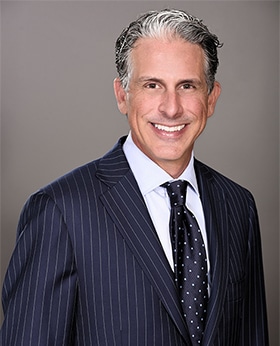
As one of the leading trial lawyers in California, Partner Matthew McNicholas represents victims in a range of areas, including personal injury, wrongful death, employment law, product liability, sexual assault and other consumer-oriented matters. Learn more about his professional background here.