
Understanding Insurance Denials in Severe Personal Injury Cases
 It is common for an insurance claim to be denied, even when someone has suffered from a severe injury. Insurance denials can involve different types of claims. Some denials come from your own insurer, such as health insurance or certain auto coverage, while others involve liability claims against an at-fault party’s insurance company, such as after a car accident. The process for challenging a denial depends on the type of claim involved and the underlying facts and circumstances of the case and demand. So, what should people do in these situations?
Keep reading to learn more about how to handle an insurance denial. If you need help, contact McNicholas & McNicholas, LLP, to request a free consultation to learn more about your legal options.
Can my claim be denied?
In short, any insurance claim can be denied.
Insurance companies are businesses, first and foremost. Adjusters have a goal to protect profits. Often, when an individual’s claim is denied, they do not continue forward with the process. However, a denied claim is not the end. Some insurance claims can be challenged, depending on the type of insurance or claim involved.
Common reasons for insurance denials
There may be a number of reasons an insurance claim is denied. These are the most common ones:
Disputes about liability
A top reason a liability claim is denied is that the insurance company claims someone else is liable for the incident. The insurance company could argue that the person filing the claim or a third party was responsible. In liability-based claims, the claimant typically must prove negligence and fault.
Lack of medical necessity
Medical necessity refers to medical treatments or testing provided to someone. Sometimes, a health insurance company claims a medical treatment or test was not medically necessary, so it will refuse to pay for it. Detailed medical records may help to avoid this denial.
Incomplete or inaccurate documentation
Claims filed without completed or accurate documentation may be denied or disputed. It is important to provide the records and other supporting evidence that fit the type of claim involved, which may include medical records, police reports, or other documentation.
Some administrative errors may also result in a denied claim, such as a missing signature or date.
Policy issues
Another reason insurance companies may deny a claim is because of policy coverage or limitation issues. An insurance company may state the policy does not cover that specific accident, treatment, or part of the loss.
Pre-existing conditions
Sometimes, insurance companies say an injury was a pre-existing condition. Some types of injuries are harder to prove were caused by an accident. Examples of these include back and traumatic brain injuries.
Gap in medical treatment
Any gaps in medical treatment may be used by insurers to argue that your injury is not as severe as you stated or that it is unrelated to your claim, which can lead to a denial. Treatment plans should be followed, and follow-up visits should not be missed.
How can victims respond to insurance claim denials?
There are several steps victims can take to respond to an insurance denial. The right option depends on the type of claim involved. They include:
Request an appeal
If your own insurance company denies a claim, the person may be able to request an internal appeal. This contests the decision and asks the company to reconsider the evidence and the facts in the claim, in hopes that they will make another decision. Make sure all photographs, reports, and records are included when filing the appeal.
Request an external review
If the appeal is still denied, there may be an option to request an independent external review. This is a common practice with health insurance companies and allows a third party to review the claim details and facts. California allows independent external review for certain health insurance denials.
Consider legal action
If your claim was denied, delayed, underpaid, or disputed, you may want to consider legal action. A personal injury attorney can help evaluate whether the issue involves your own insurer, the at-fault party’s insurer, or both.
How to help prevent an insurance denial and strengthen your claim in California
There are a few ways to help prevent an insurance denial or strengthen your position if a claim is denied. They include:
Maintain medical care
It is important to seek initial medical care and complete all treatments. Follow-up visits are also important to make sure treatment plans are working correctly. A person’s health is essential. Consistent medical care can help demonstrate the seriousness of an injury and reduce the risk of a denial based on gaps in treatment.
Gather medical records
All medical records related to the injury may help support a claim and may also help if a denial must be challenged. This includes records pertaining to any medical appointments, emergency visits, surgeries, physical therapy, and treatment plans, including medications.
Collect other types of evidence
Other types of evidence may include the following:
- Police reports
- Photographs of the incident or injuries
- Witness statements
- Accident reports
- Surveillance or dashcam footage
The more evidence that is available to support your claim, the better. Strong supporting evidence may also help counter common reasons for claim denials, such as liability disputes or questions about the extent of an injury.
Hire a personal injury attorney
If your insurance claim was denied, hiring an attorney can help you identify the reason for the denial and help you strengthen your claim. An experienced attorney can also ensure legal deadlines are met, negotiate with insurance companies on your behalf, and offer compassionate legal advice. If necessary, a personal injury lawyer may represent you in court.
Contact McNicholas & McNicholas, LLP, for a free consultation
People do not have to tackle an insurance denial alone. If you are facing a denial, we may be able to help. At McNicholas & McNicholas, LLP, we offer free consultations. Allow us to hear the details of your situation and educate you on your legal options. Call us or contact us online today.
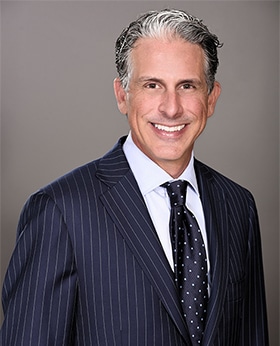
As one of the leading trial lawyers in California, Partner Matthew McNicholas represents victims in a range of areas, including personal injury, wrongful death, employment law, product liability, sexual assault and other consumer-oriented matters. Learn more about his professional background here.